
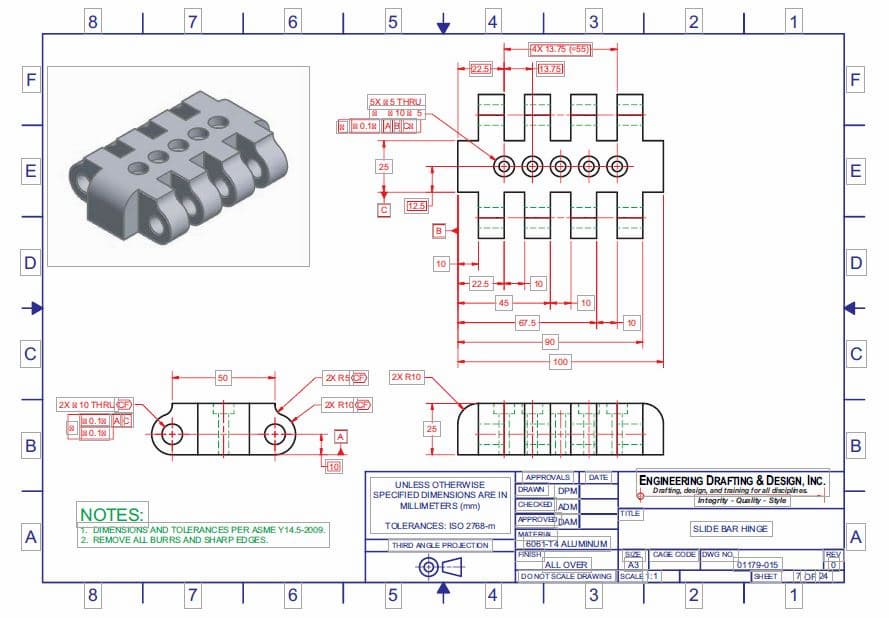
Computer Aided Design (CAD) & Drafting Services in Australia
ASTCAD provides professional computer aided design (CAD) and drafting services to engineering, construction and manufacturing clients across Australia. Our CAD services cover all major disciplines — mechanical, structural, architectural, civil and electrical — using the industry’s leading software packages with offices in Brisbane, Sydney, Melbourne, Perth and Gold Coast.
Our CAD Design & Drafting Services
- Mechanical CAD drafting — parts, assemblies, fabrication drawings, sheet metal design, GD&T
- Structural CAD drafting — steel shop drawings, connection details, fabrication drawings
- Architectural CAD drafting — floor plans, elevations, sections, DA/BA construction documents
- Civil CAD drafting — site plans, infrastructure, drainage, subdivision drawings
- Electrical CAD drafting — schematics, single-line diagrams, panel layouts, P&IDs
Software: AutoCAD · SolidWorks · Revit · Inventor · CATIA · MicroStation · Archicad · SketchUp · 3ds Max · PTC Creo
Locations: Brisbane · Sydney · Melbourne · Perth · Gold Coast
What Is CADD? Computer Aided Design and Drafting Explained (2026 Guide)
Computer-aided design and drafting (CADD)
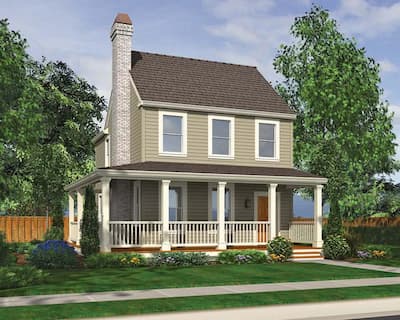 Computer-aided design and drafting (CADD) is the process of using a computer with CADD software for design and drafting applications. Software is the program or instructions that enable a computer to perform specific functions to accomplish a task. CADD refers to the entire range of design and drafting with the aid of a computer, from drawing basic 2-D objects to preparing complex 3-D models and animations. CAD is the acronym for computer-aided design and a common reference to computer-aided drafting. Computer-aided design and computer-aided drafting refer to specific aspects of the CADD process.
CADD offers solutions to most engineering drawing and design problems, and it allows for increasingly complex projects. Several industries and most disciplines related to engineering and architecture use CADD. Most engineering firms and educational institutions that previously used manual drafting practices have evolved to CADD. Professionals have come to rely on the power and convenience of CADD in all aspects of design and drafting. CADD systems include tools to accomplish any drawing and design requirement, such as preparing the 3-D model of a home shown in Figure.
The CADD workstation

The CADD workstation consists of a variety of computer hardware. Hardware includes the physical components of a computer system, such as the computer, monitor, keyboard, mouse, and printer. The figure shows a modern CADD work-station. A CADD workstation relies on a computer for data processing, calculations, and communication with peripheral equipment. A peripheral is an external computer hardware device that uses the computer to perform functions that the computer cannot handle.
Peripherals provide input, output, and storage functions and services. Input means to put information into the computer that the computer acts on in some way. Input comes from devices such as the keyboard, a mouse or similar input device, or a digitizer. Output refers to information that the computer sends to a receiving device such as a monitor, a plotter, or a printer. Storage refers to disks and drives that allow the operator to store programs, files, symbols, and data.
CADD software products
The modern CADD workstation is powerful, inexpensive, and supports sophisticated CADD software. Many CADD software manufacturers exist, and numerous products are available to meet industry needs. Some CADD software is general purpose and can apply to any discipline. For example, Autodesk, Inc. produces AutoCAD for 2-D and 3-D design and drafting.
Other products focus on a specific CADD technology, industry, or discipline, such as drawings or models of mechanical parts and assemblies or those for architectural, civil, or structural engineering projects.
For example, Dassault Systèmes SolidWorks Corp. offers SolidWorks for 3-D solid modeling and 2-D drafting that is common in the manufacturing industry. Software specifically designed for CADD in the manufacturing industry is sometimes referred to as mechanical computer-aided design (MCAD) software. Some CADD programs support expanded, third-party, or add-on utilities intended to increase system usefulness for specifi c applications.
The CADD software industry changes constantly. Software manufacturers frequently update existing products or combine, change program names, or eliminate programs to adapt to the rapidly evolving CADD market. Software updates typically include additional and refined tools, increased software stability, and graphical user interface (GUI) enhancements.
Computer Aided Design and Drafting
The interface describes the items that allow you to input data to and receive outputs from a computer system. The GUI provides the on-screen features that allow you to interact with a software program. New products regularly emerge to respond to innovative technology and project requirements. Larger software manufacturers, such as Autodesk Inc., Dassault Systèmes, Parametric Technology Corporation, and Siemens PLM Solutions hold the greatest number of CADD users, and they traditionally have the ability to expand their products and acquire smaller software companies or existing software.
ASTCAD provide excellent service for CAD Design and Drafting. Contact Us for more info
What is computer-aided design and drafting?
Computer-aided design and drafting (CADD), also known as computer-aided design (CAD), refers to the use of computer software to assist in the creation, modification, analysis, or optimization of designs for a wide range of applications. CAD software allows designers, engineers, architects, and other professionals to create precise 2D drawings or 3D models of objects, buildings, mechanical parts, electrical circuits, and more.
What is computer aided drafting CAD used for?
Computer-aided drafting (CAD) is used in architecture and construction, mechanical engineering, product design and manufacturing, electrical and electronic systems, interior design, urban planning, and aerospace and automotive industries.